
Through a new series of interviews, ‘Makers at Work’ celebrates Scotland as a place of making, capturing a diversity of disciplines, practices and making spaces.
We visited Colin Campbell at McRostie Scotland’s leather workshop in Howwood to chat about saddlery, making at school and diversifying into fashion and tourism.
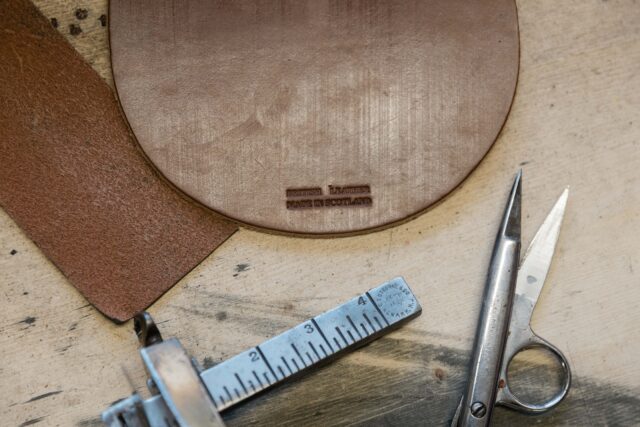
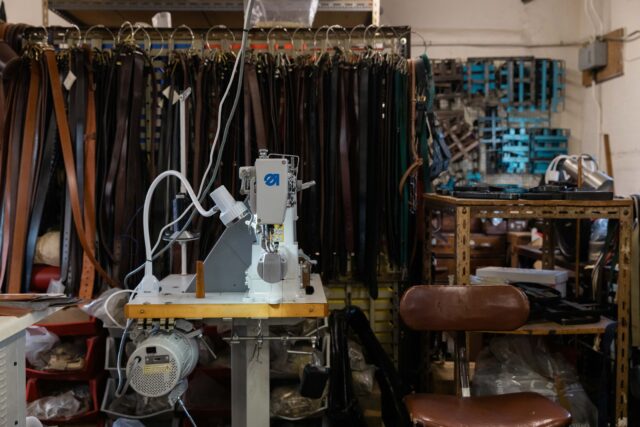
How did you get started working in your craft?
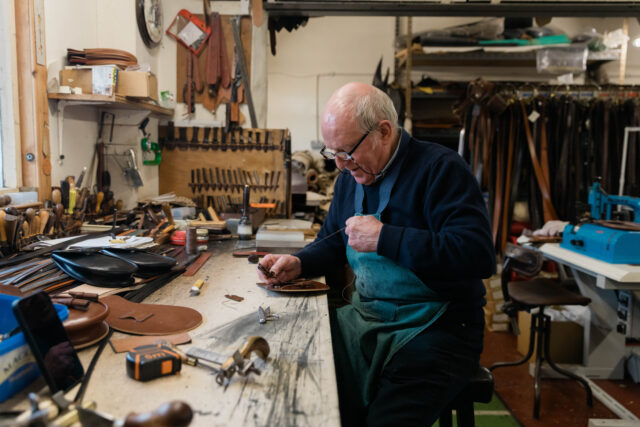
I was looking for a career change when the opportunity arose, with McRostie going into receivership in the early 1980s. My family was successful in acquiring the business and my wife and I decided to take up the challenge of running McRostie. I managed to retain the staff, who had lifelong experience of harness making and saddlery, and having always enjoyed working with my hands producing small items, I was keen to further my skills in leatherwork. Now I was fortunate to have two Master Saddlers to assist me on this journey – no better mentors.
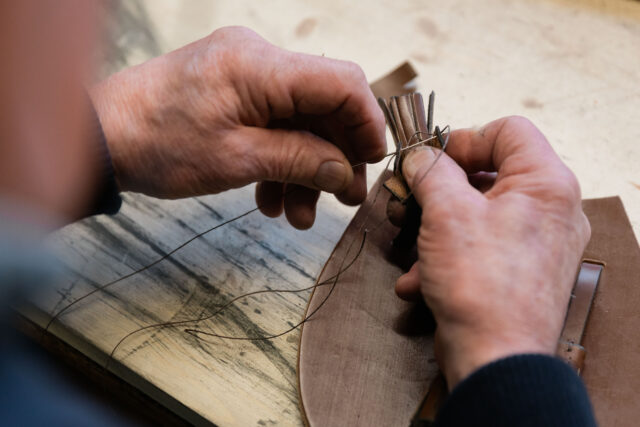
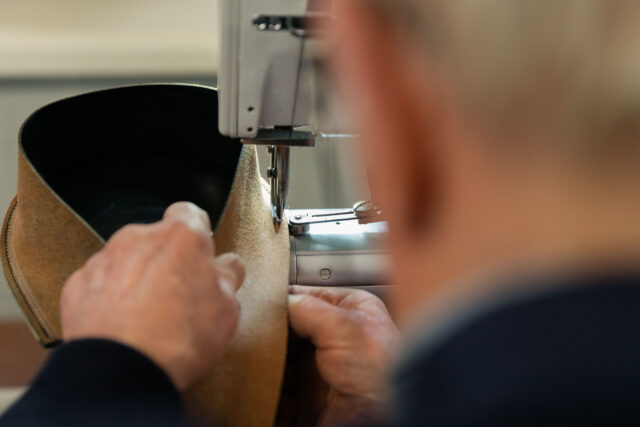
What was your experience of craft education in school?
My craft experience at school included woodwork, metalwork and art. These classes I found much more enjoyable than the academic side of schooling. Physically making something involves concentration, focus and attention to detail; you also have the satisfaction of seeing the efforts of your own work. For me, these classes made school more bearable.
What is most challenging, and most enjoyable about your practice?
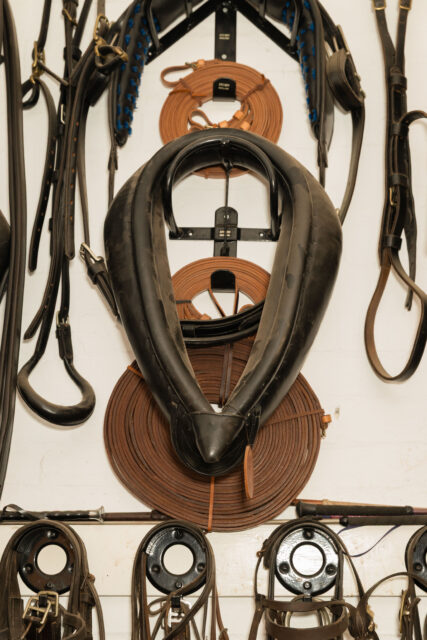
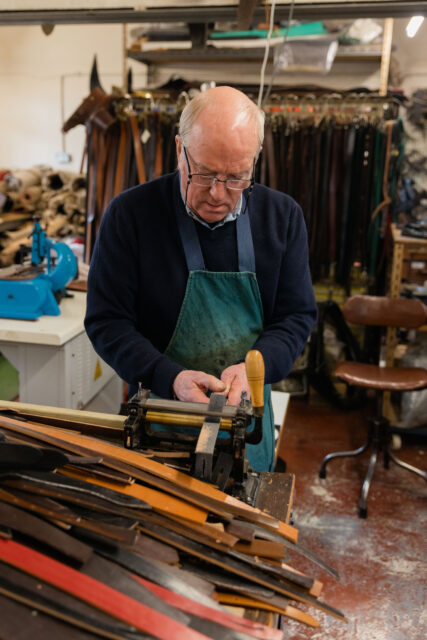
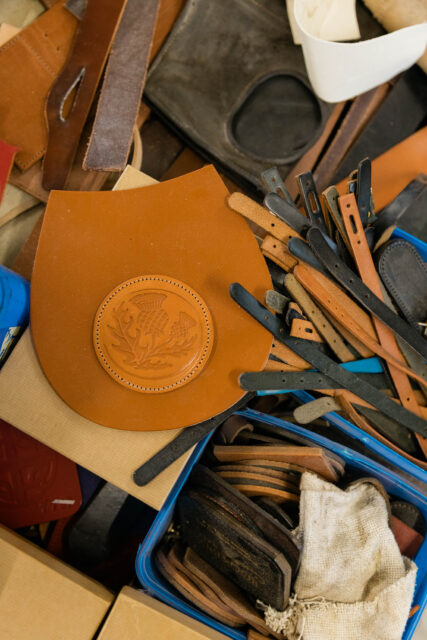
Most enjoyable is using the raw material, leather, which has been used for practical purposes for centuries, including saddles and harnesses for horses (which is how McRostie first established its business) and converting it into numerous and varied useful items for fashion, tourism, hospitality and whisky retail markets.
Interesting challenges for example, have been the restoration of an old and cherished medical practitioner’s case used in the Second World War; another was when a guy from Clydebank appeared in the workshop with a pair of green wellies asking if I could transform them into a pair of ‘BIG BANANA FEET’ boots for his performance in a Billy Connolly tribute act. Successfully completing these and similar projects are rewarding for both the customer and myself, as the maker.
What would improve your life as a maker or what support do you think is missing?
Improve? Being 21 again! For the younger generation, perhaps, in Scotland at least, easier access to learning the craft.
How do you view Scotland as a place for making, selling, exhibiting and celebrating craft?
Although there may be more encouragement in the craft world in Scotland nowadays, perhaps if not already introduced, craft education should certainly be included in the school curriculum, and could be introduced from early years onwards. Scotland is a fine place to work and sell our products from, both within the U.K. and to the wider world, although exporting does include challenges of a different nature to overcome. Scotland continues its well earned reputation of producing high quality and value.
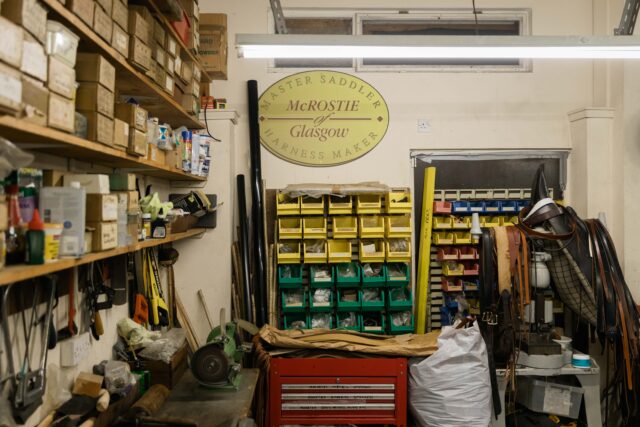
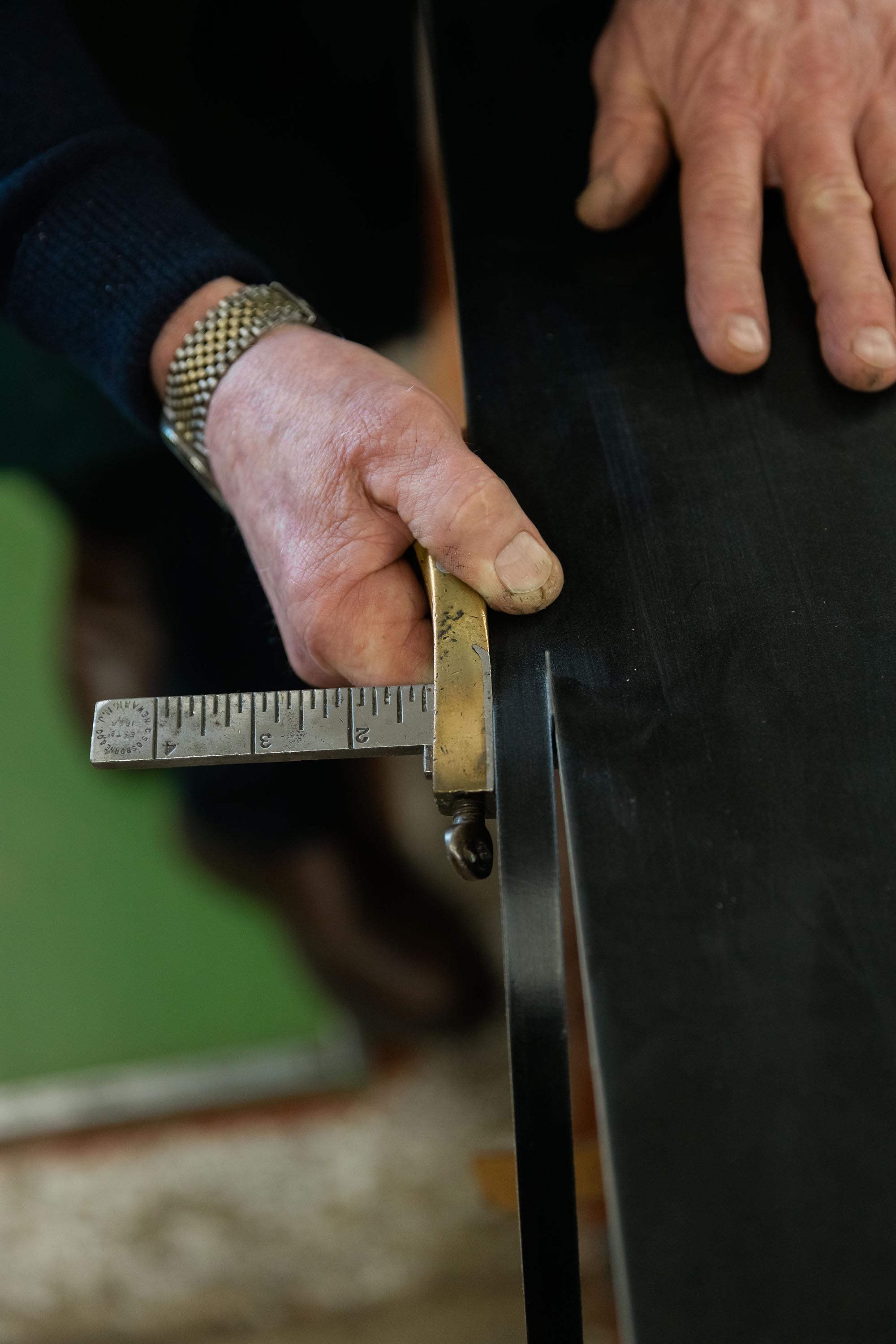
McRostie was established in 1887 as a traditional saddler’s ironmongers and harness makers in the East End of Glasgow. In the 1980’s the Campbell family bought the company and Colin learned leather craft from Master Saddler Hugh Mason. A request from a fashion retailer in Glasgow opened up a new market for the company, producing quality leather accessories for the fashion and highland dress markets. The inspiration for one belt, which continues to be a best seller, came from a single set of carriage driving horse harness. Today all of their products are made with British materials in their workshop outside Paisley, using the traditional craft skills of the harness maker and many of the same tools that were used over 100 years ago.